
About Me
I research how societies govern sustainability and climate transitions, from net-zero policy and regeneration to health equity. I use systems theory to understand sustainability and health equity challenges, develop participatory models that make complexity accessible, and work with policy partners to turn evidence into action.
I combine participatory modelling with systems simulation to both study and support real-world decision-making. My research partners include the UK Climate Change Committee, Department for Energy Security and Net Zero, Greater London Authority, and housing and water organisations.
I am an elected Policy Council Member of the International System Dynamics Society and a peer reviewer for 10 journals including Nature Cities. I hold Associate Fellowship of the Higher Education Academy (AFHEA).
Current role: Senior Research Fellow, University College London Research areas: Systems thinking for sustainability · Climate adaptation and net-zero governance · Health equity in environmental policy · Participatory modelling Teaching: 400+ students taught · Systems thinking, sustainability governance, and climate policy
Research Themes
My research connects three strands:
- Climate and sustainability governance: How decision-makers navigate net-zero transitions, water governance, and environmental policy, and why long-term sustainability commitments erode under short-term pressures, inconsistent policy changes (Zhou et al., 2024, Organization & Environment; Zhou et al., 2025, Journal of Cleaner Production)
- Health equity in environmental transitions: How climate and environmental policies create unequal health impacts across communities, such as indoor air pollution and heat pump adoption (Ferguson, Zhou et al., 2021, Buildings & Cities; PAICE project with CCC/DESNZ), resilience under multiple shocks (Zhou & Zhang, 2022, Systems), and importance of expanding system boundary to include health equity.
- Participatory systems modelling and process: Developing methods that make complex systems accessible to decision-makers through co-constructed models (Pluchinotta, Zhou et al., 2024, Journal of Environmental Management) and quantification of soft variables (Pluchinotta, Zhou et al., 2024, System Dynamics Review)
Publications
Understanding Sustainability Challenges
Why do well-intended sustainability policies produce unintended consequences? These papers diagnose the decision dynamics, attention shifts, and governance failures that undermine long-term goals.
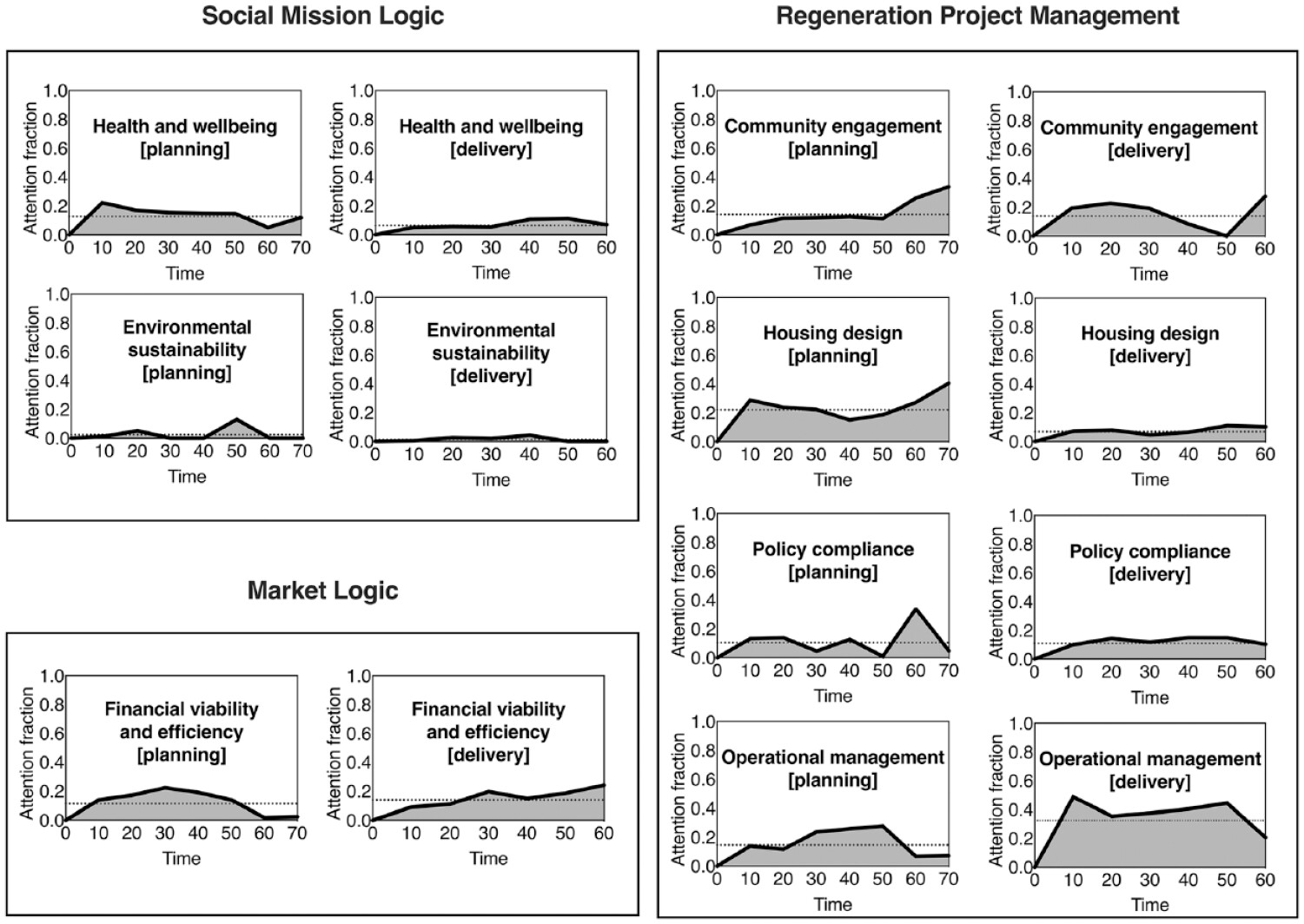
Sustaining Attention to Sustainability, Health, and Well-Being in Urban Regeneration (2024) Organization & Environment · ABS 3 · IF: 7.5
Ke Zhou, Elanor Warwick, Marcella Ucci, Mike Davies, Nici Zimmermann
Key finding: Organisations pursuing both market and social missions systematically shift attention to short-term financial pressures, as part of paradoxical tensions in decision-making.
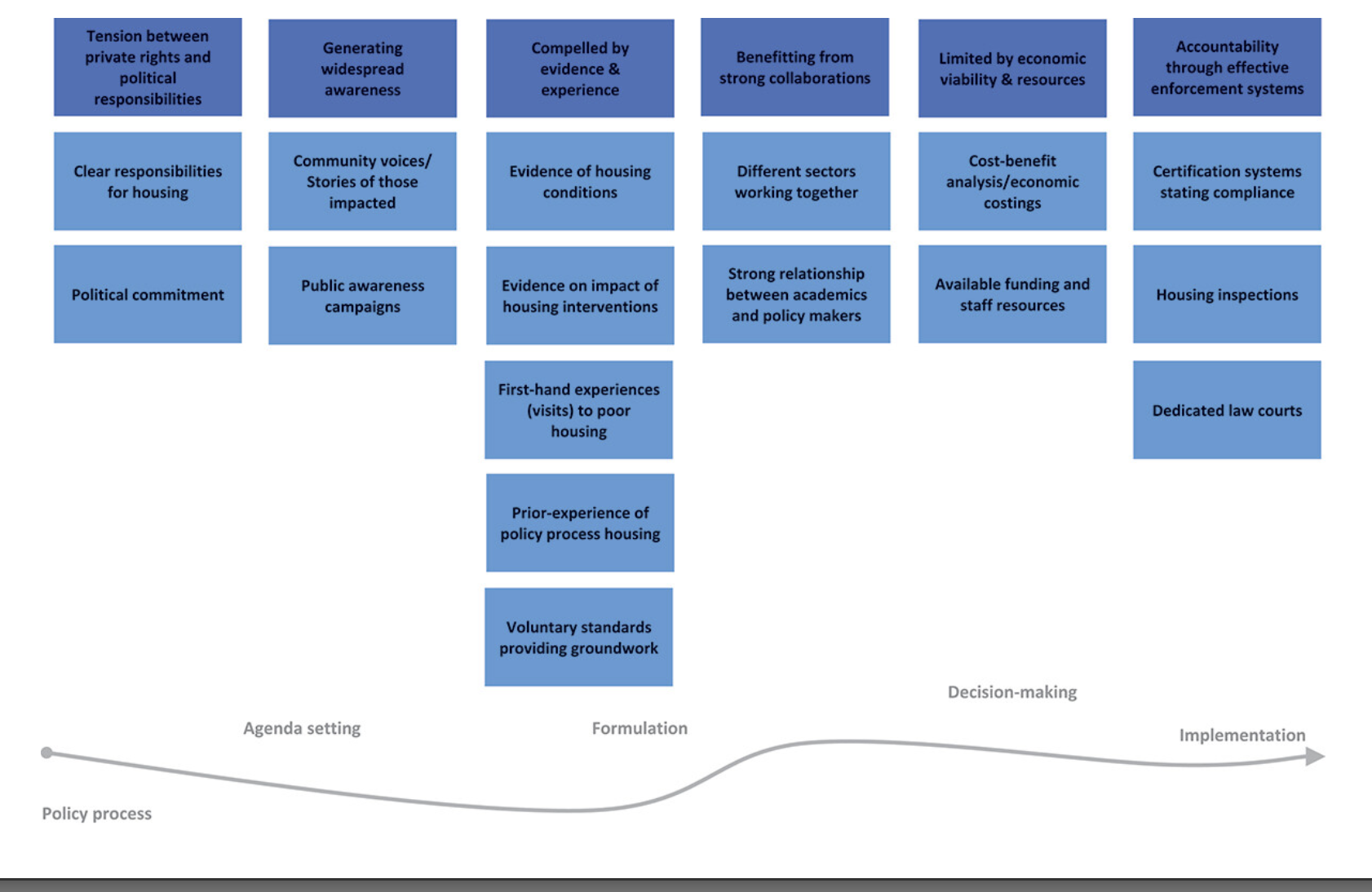
Getting to effective housing policy for health: a system dynamics study (2024) Cities & Health
Emily Nix, Anna Ibbetson, Ke Zhou, et al.
Key finding: Housing policy interventions and dynamics cross policy cycles.
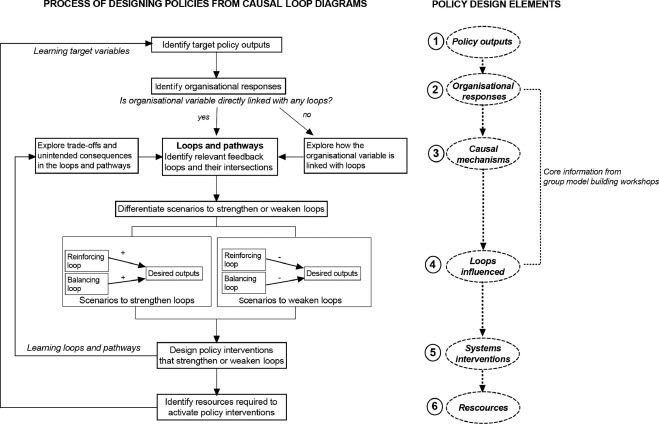
Dynamics of short-term and long-term decision-making in English housing associations: A study of using systems thinking to inform policy design (2022) EURO Journal on Decision Processes
Ke Zhou, Nici Zimmermann, Elanor Warwick, Helen Pineo, Marcella Ucci, Michael Davies
Key finding: Policy inconsistencies trigger short-term decisions with unintended consequences, revealing a lack of tools supporting systems thinking throughout the full policy cycle.
Blog: Six steps of the systems thinking approach in policy design →
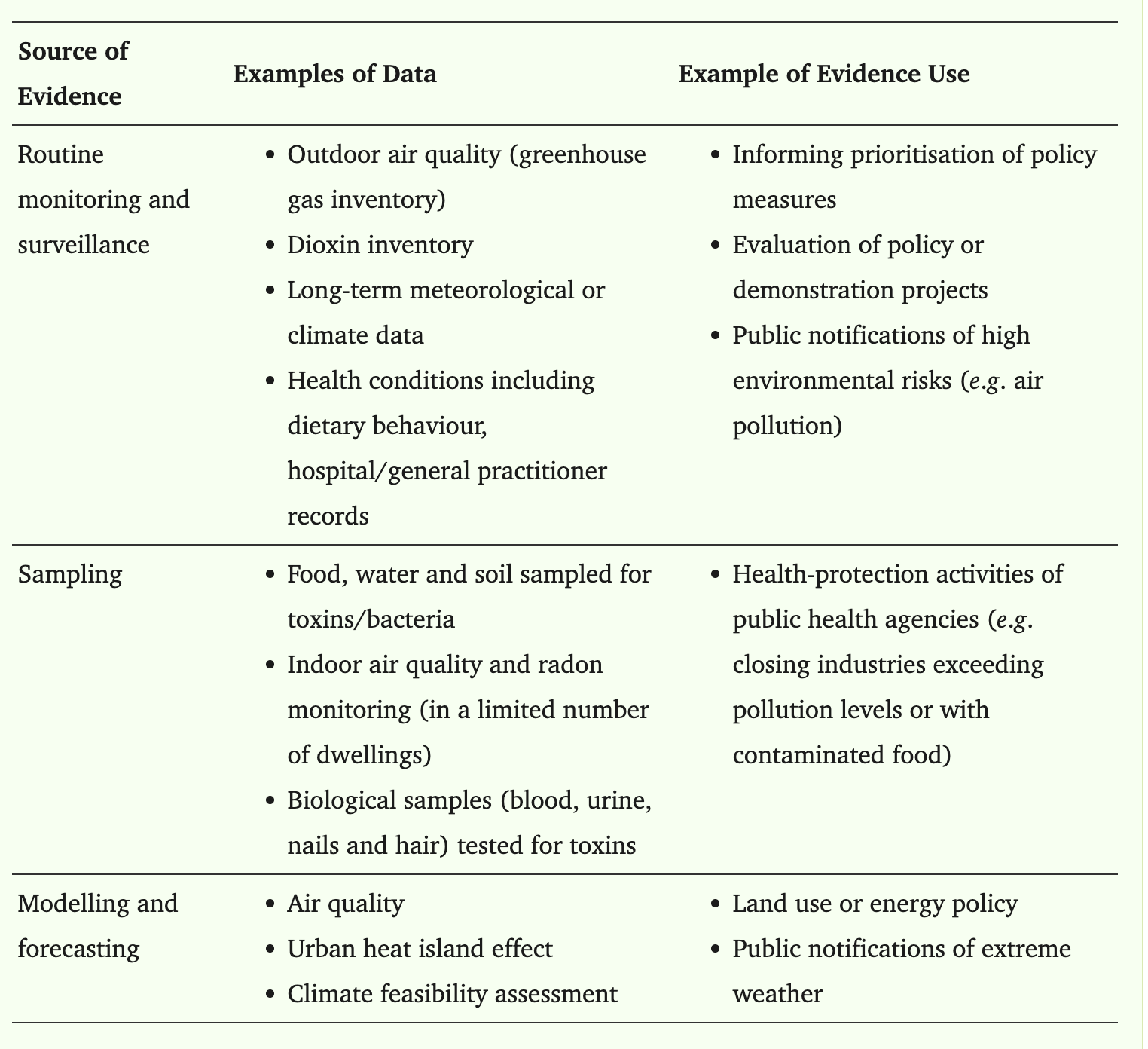
Evidence-informed urban health and sustainability governance in two Chinese cities (2021) Buildings & Cities
Helen Pineo, Ke Zhou, Ying Niu, … Michael Davies
Key finding: Local evidence exists but have divergences at different governance levels.
Building Models with Stakeholders
How do we make complex systems visible and actionable? These papers develop participatory methods, quantification frameworks, systems mapping approaches, and broader systems boundary analysis working with engineers, policymakers, and communities.
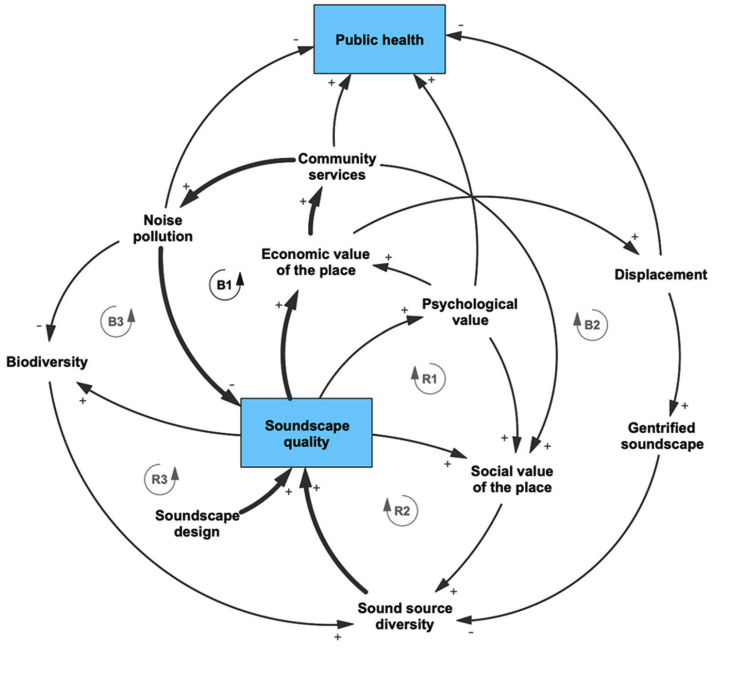
Exploring the relationships between soundscape quality and public health using a systems thinking approach (2025) npj Acoustics · Nature Portfolio
Francesco Aletta, Ke Zhou, Andrew Mitchell, Tin Oberman, Irene Pluchinotta, Simone Torresin, et al.
Key finding: Critical to embed health feedback loops in soundscape quality, otherwise gentrification will push out vulnerable communities.
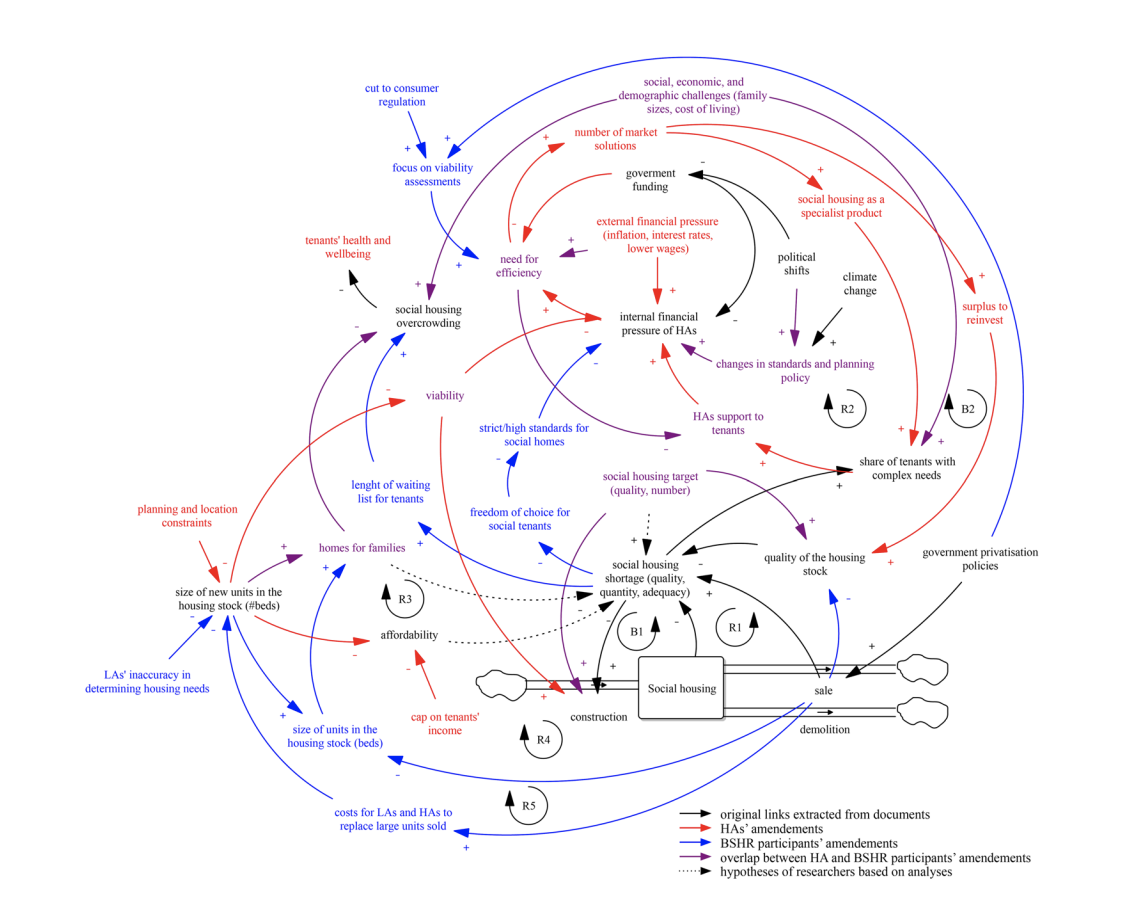
Systemic issues in the English social housing sector: mapping interconnected challenges faced by London-based housing associations (2025) Housing Studies · IF: 3.9
Anna Pagani, Nici Zimmermann, Alex Macmillan, Ke Zhou, Michael Davies
Key finding: Complexities of social housing, directly empirical learnings from London.
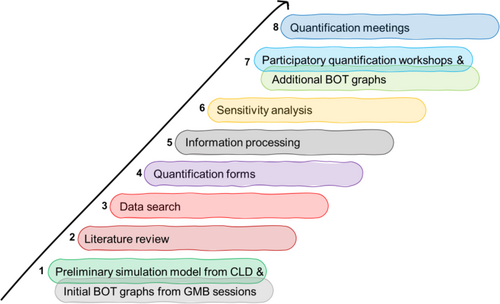
Dealing with soft variables and data scarcity: lessons learnt from quantification in a participatory system dynamics modelling process (2024) System Dynamics Review · ABS 2
Irene Pluchinotta, Ke Zhou, Nici Zimmermann
Key finding: A structured framework for when to quantify soft variables (trust, perception, engagement) and when to keep them qualitative — replacing ad hoc judgement with systematic decision criteria.
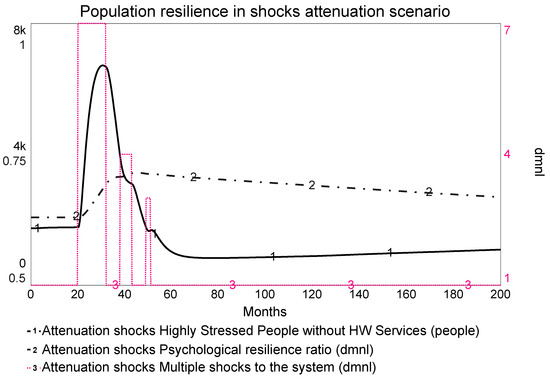
Resilience Development in Multiple Shocks: Lessons in Mental Health and Well-Being Deterioration during COVID-19 (2022) Systems
Ke Zhou, Mengru Zhang
Key finding: Multiple shocks compound through reinforcing feedback loops: mental health deterioration is caused by sequential crises that interact, not single events.
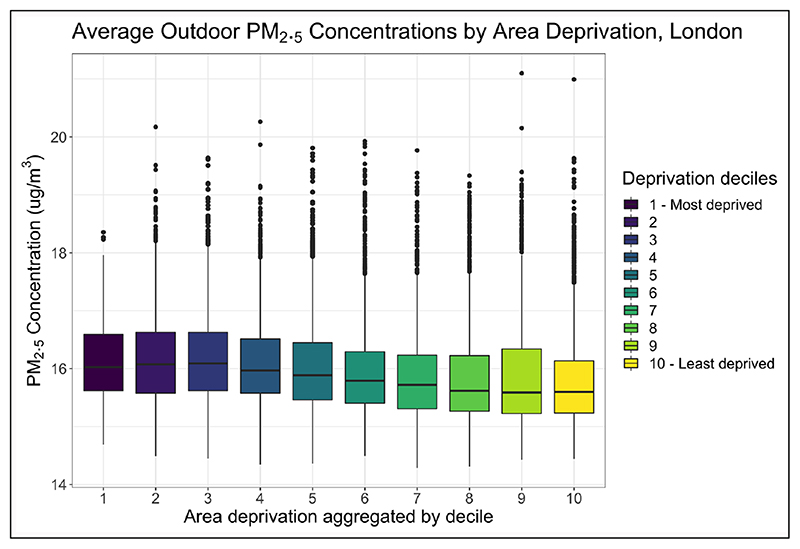
Systemic inequalities in indoor air pollution exposure in London, UK (2021) Buildings & Cities · 89 citations · Covered by BBC
Lauren Ferguson, Jonathon Taylor, Ke Zhou, et al.
Key finding: Expanding the system boundary to include deprivation, deprived communities face indoor and outdoor air pollution burdens disproportionally. Cited in The Lancet, Nature, and BMJ.
Shaping Policy and Practice
Where do models meet real decisions? These papers show traceable pathways from research to policy change — accessible digital solutions built with partners including the Climate Change Committee, DESNZ, WHO, and local government.
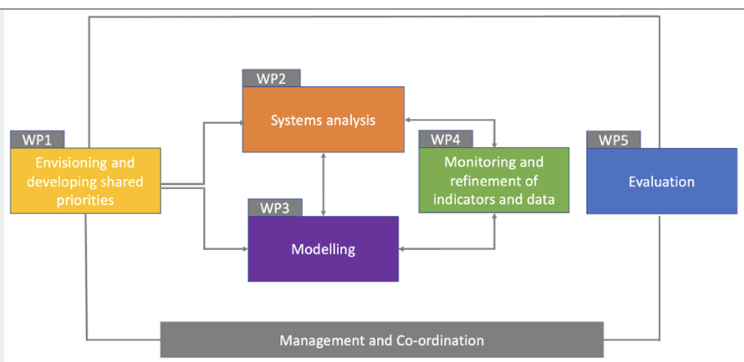
The PAICE project: Integrating health and health equity into UK climate change policy (2025) Wellcome Open Research
Michael Davies, Catalina Dearman, Rosemary Green, … Ke Zhou, et al.
Impact: Wellcome-funded project working directly with the Climate Change Committee and DESNZ to embed health equity considerations into UK climate adaptation policy.
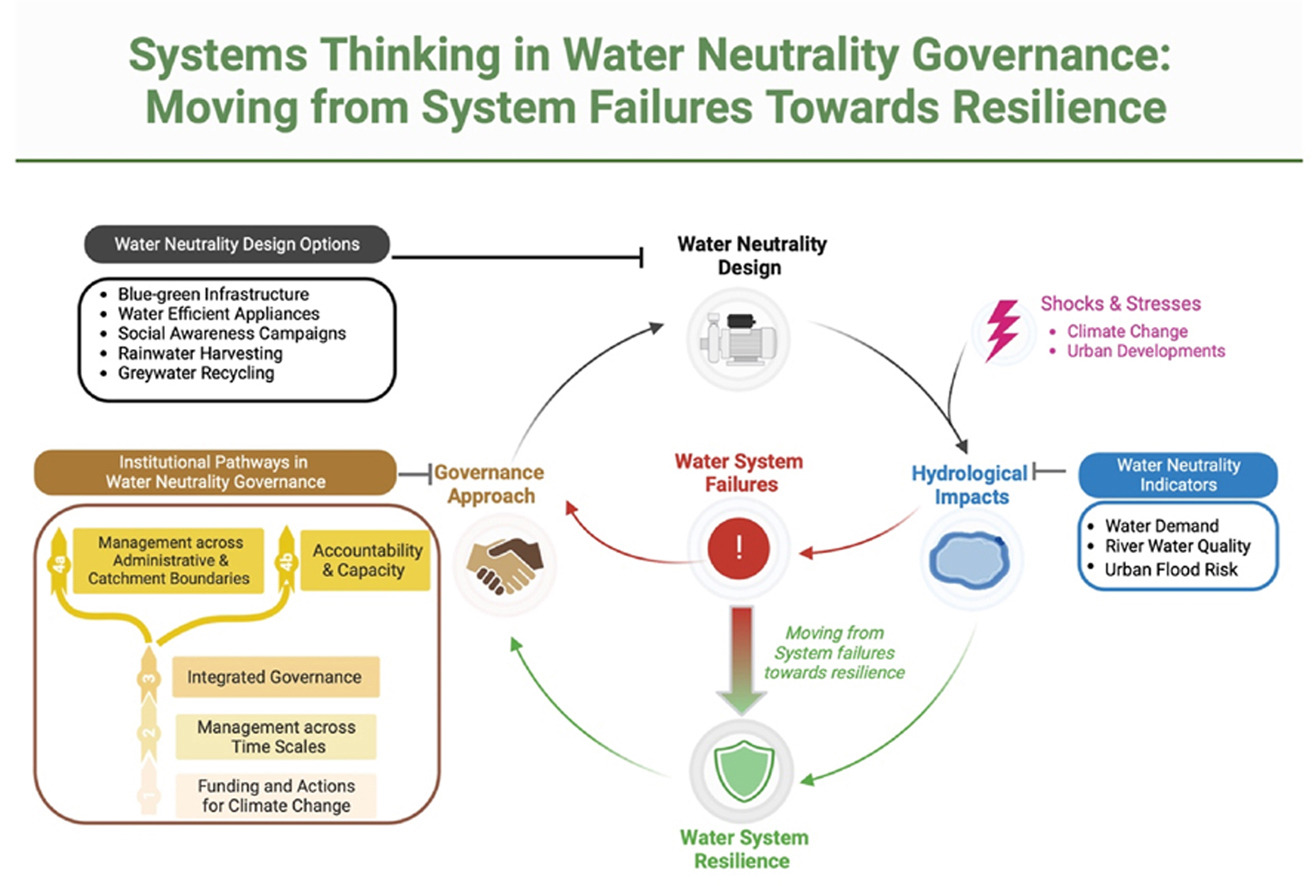
Systems Thinking in Water Neutrality Governance: Moving from system failures to resilient urban water systems (2025) Journal of Cleaner Production · IF: 10.7
Ke Zhou, Pepe Puchol-Salort, Irene Pluchinotta, Darren Beriro, Ana Mijic, Nici Zimmermann
Project Details & Highlights →
Impact: Causal loop diagrams adopted into Manchester’s water governance framework. Collaboration with Imperial College London’s water engineering group.
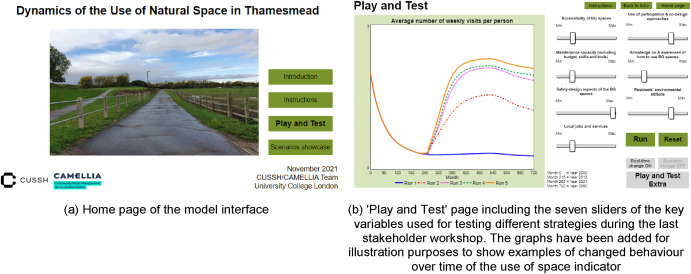
Co-producing knowledge on the use of urban natural space: Participatory system dynamics modelling to understand a complex urban system (2024) Journal of Environmental Management · IF: 8.6
Irene Pluchinotta, Ke Zhou, Gemma Moore, Giuseppe Salvia, Kristine Belesova, et al.
Impact: Accessible digital interface enabling stakeholders to explore urban green space scenarios — co-constructing models with diverse communities reveals feedback loops that no single disciplinary perspective identifies alone.
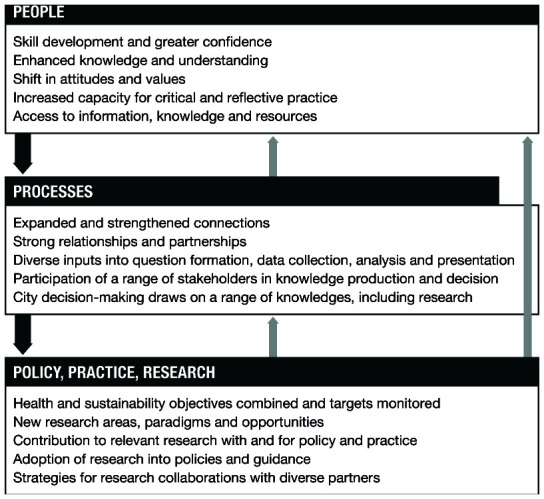
Developing a programme theory for a transdisciplinary research programme (2021) Wellcome Open Research
Gemma Moore, Susan Michie, James Anderson, … Ke Zhou, et al.
Impact: Shaping transdisciplinary approach in large grant projects.
Policy Reports & Book Chapters
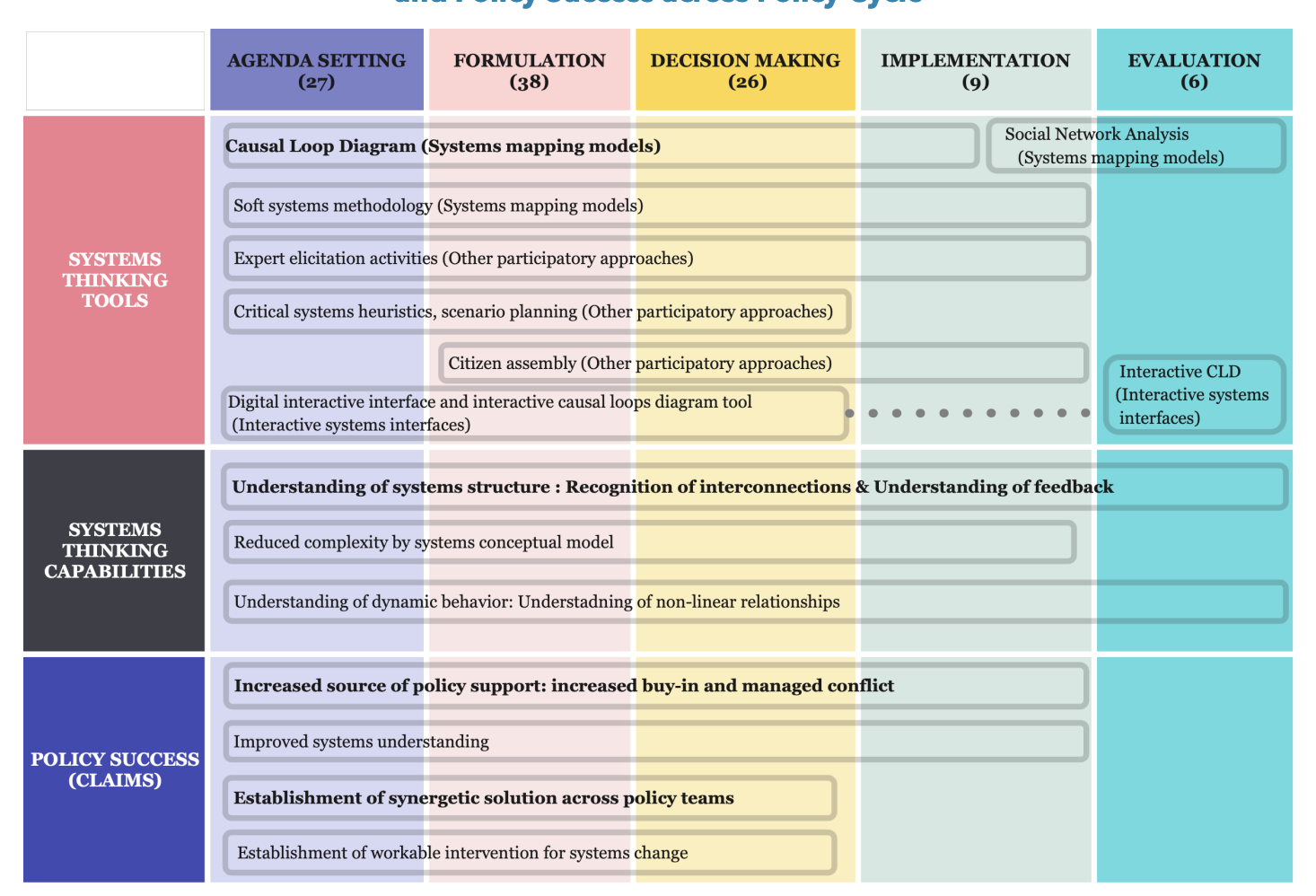
Advancing Environmental Neutrality: Leveraging Systems Thinking for Policy Innovation (2024) UCL Institute for Environmental Design and Engineering
Ke Zhou & Arfenia Nita
Impact: Found that no existing systems tools support decision-making, evaluation, or monitoring across environmental neutrality policy cycles — driving the case for new analytical tools to bridge the gap between systems thinking and policy practice.
System Dynamics Models for Public Health and Health Care Policy (2023) MDPI · Book chapter
Jack Homer & Gary Hirsch (Eds.)
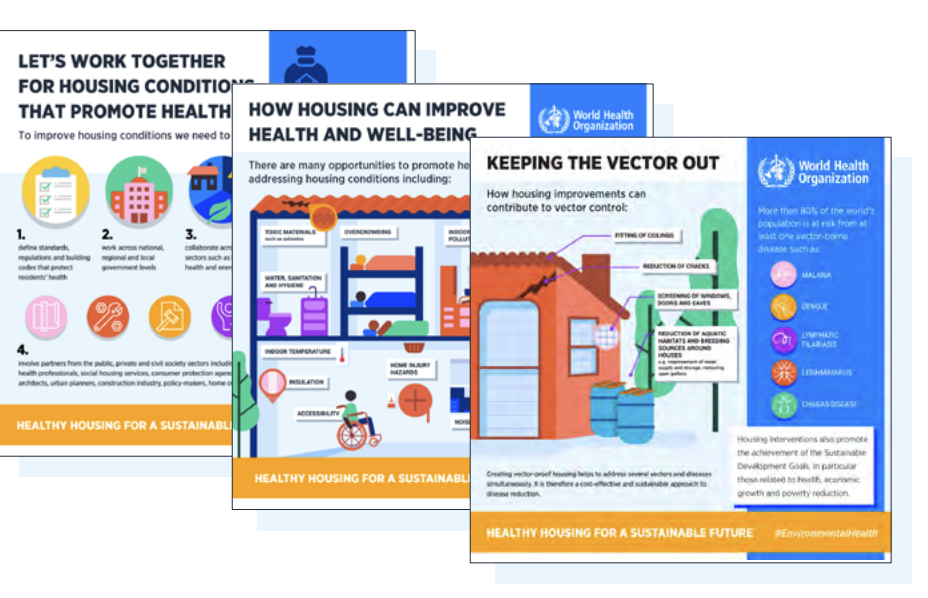
Policies, regulations & legislation promoting healthy housing: A review (2021) World Health Organization
Contributed systems analysis and scientific evidence to WHO’s healthy housing policy guidance.
Grants and Awards
- UCL Research Future Funding (2025, PI) — AI-Facilitated Collaborative Decision-Making Tool in Participatory Environmental Health Research
- UCL Bartlett Public Policy Support Fund (2024, PI) — Advancing Environmental Neutrality through Strategic Systems Thinking Policy report →
- National Institute for Health and Care Research Scholarship (2018–2023, £100,000)
- Washington University in St. Louis Scholarship (2015–2017)
Education
- PhD, Environmental Systems and Decision-Making — University College London (2018–2023)
- MSW, System Dynamics in Health Policies — Washington University in St. Louis (2015–2017)
- BA — Sichuan International Studies University (2011–2015)
Professional Service
- Elected Policy Council Member, International System Dynamics Society (2024–present)
- Co-Lead, Environment and Natural Resource Management (ENRM) Special Interest Group, International System Dynamics Society — Event recordings
- Conference Co-Chair, Environment Track, International System Dynamics Conference (2025 & 2026)
- Programme Committee Member, Winter Simulation Conference 2026 — System Dynamics Track
- Peer reviewer for 10 journals, including Nature Cities, System Dynamics Review, Journal of Cleaner Production, Organization & Environment
- Member: Academy of Management (ONE Division) · European Group for Organizational Studies · Operational Research Society · International System Dynamics Society
Institutional Service
- Systems Thinking and Transdisciplinarity research theme, UCL Institute for Environmental Design and Engineering — one of eight core research themes documented in the IEDE 60th anniversary book (Shaping the Sustainable Built Environment in a Changing Climate), which I contributed to systems maps of all eight research themes.
Invited Talks
2025.11 – Advancing Sustainability through Participatory Systems Thinking
- Cross-sector learning: Urban regeneration and net zero transitions share complexity challenges
- Equity considerations in both adaptation and mitigation strategies
- Moving from causal loop diagrams to simulation models for data-driven policy decisions
2025.09 – Designing Equitable Climate and Health Policies through Systems Thinking
- Cross-sectoral interactions between climate mitigation and adaptation across transport, building, energy, and food sectors
- Health equity implications of net-zero transition policies
- Systems thinking and participatory approaches for integrated climate-health policy design
- Insights from the PAICE project (Policy and Implementation for Climate & Health Equity) with CCC and DESNZ
2025.07 – Showcasing System Dynamics Interventions in Environmental Research
Projects discussed: VENTURA, CUSSH, PAICE, CAMELLIA
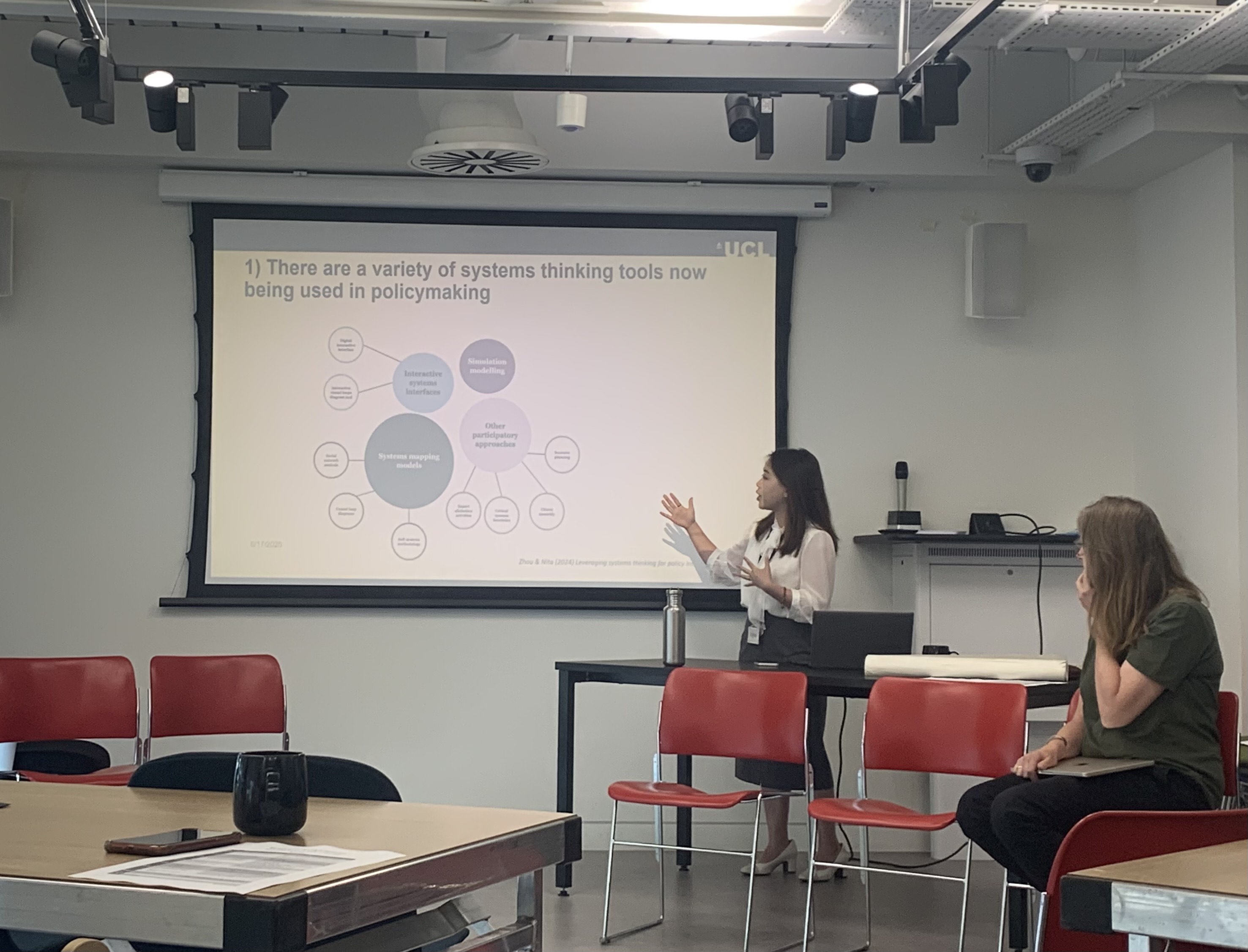
2025 – Exploring Soundscape Quality and Public Health
2024.11 – Modeling with Soft Variables and Limited Data
Teaching
I teach systems thinking, sustainability governance, and participatory research methods at undergraduate and postgraduate levels. I have taught 400+ students, designed original module content, and hold Associate Fellowship of the Higher Education Academy (AFHEA, 2024).
Recent Teaching
- Carbon Neutral Economics (Apr 2025, 2 hours) — Guest Lecturer on Advancements in UK’s Net Zero Policies (module lead: Prof. Yao Jian). Postgraduate: College of Carbon Neutrality Future Technology, Sichuan University, China.
- Systems Thinking and Participatory Approaches for Sustainability (BENV0162) (Jan–Mar 2025 and 2026) — Teaching Fellow. Designed and delivered 5 teaching session’s original content for this new undergraduate module (module lead: Dr. Irene Pluchinotta) as part of the BSc Sustainable Built Environments, Energy and Resources. Classes included: Transdisciplinary Research Toolkit, Participatory Causal Loop Diagram Development, Modeling and System Scenarios: Population and Natural Resources, and Systems Mapping: Strategies, Examples, and Software. University College London.
- Health and Wellbeing in Cities: Theory and Practice (BENV0056) (Mar 2025, 2 hours) — Guest Lecturer on Climate Change Adaptation, Mitigation, and Health (module lead: Dr. Gemma Moore). Postgraduate: MSc Health, Wellbeing and Sustainable Buildings, UCL.
- Digital Innovation: Collaborative Practice (BIDI0002) (Mar 2025, 2 hours) — Co-Guest Lecturer on Case Studies of Digital Tools in Action (module lead: Dr. Andrew Mitchell). Postgraduate: MSc Digital Innovation Built Asset Management, UCL.
- Systems Thinking and System Dynamics (BENV0047) (Mar 2025, 3 hours) — Co-Guest Lecturer on Constructing Causal Loop Diagrams from Texts (module lead: Prof. Nici Zimmermann). Postgraduate: MSc Environmental Design and Engineering, UCL.
- Managing ESG (Environmental, Social and Governance) (SMM916) (Nov 2024, 3 hours) — Co-Guest Lecturer on Energy, World and Climate Dynamics through En-ROADS Climate Simulation (module lead: Dr. Daniel Beunza). Postgraduate: MSc Management, Bayes Business School, City University of London.
- Behavioral Operational Research and System Dynamics (Jul 2024, 3 hours) — Teaching Assistant providing training support (module lead: Prof. Marin Kunc). Short course, University of Southampton.
- NIHR School of Public Health Research Annual Meeting (May 2024, 2 hours) — Guest Trainer on Systems Analysis for Managing Grand Challenges. National Institute for Health and Care Research, Birmingham, UK.
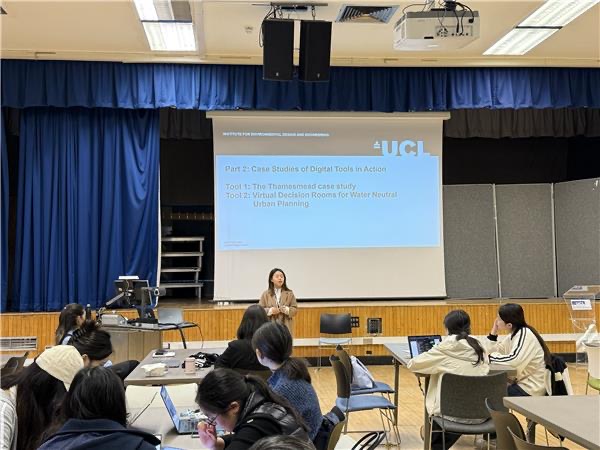
Postgraduate Supervision (2020–2025)
Primary/Secondary Supervisor — University College London
- (2025) Primary supervisor. MSc Environmental Design and Engineering. Student: Jiarui Ma. Dissertation: Health and Wellbeing in Net Zero Transitions. Result: Distinction.
- (2024) Primary supervisor. MSc Health, Wellbeing and Sustainable Buildings. Student: Junsheng Zhou. Dissertation: Systems Thinking in Urban Regeneration: Exploring Health and Well-being Impacts. Result: Pass.
- (2020) Secondary supervisor. MSc Health, Wellbeing and Sustainable Buildings. Student: Hanting Liu. Dissertation: Health and Wellbeing in New Developments: A Case Study of Linked Hybrid in China. Result: Distinction.
Undergraduate Supervision (2024–2025)
Primary Supervisor — University College London
- (2025) BASc Arts and Science Programme. Student: Kelvin Pan. Dissertation: The impacts of urban regeneration and gentrification: A comparative study of London and Hong Kong. Result: Pass.
Earlier Teaching (2017–2021)
- Systems Thinking and System Dynamics (BENV0047) (Mar 2019–2021, 3 hours/year) — Co-Instructor on Small Models Dynamics Modelling (module lead: Prof. Nici Zimmermann). Postgraduate: MSc Environmental Design and Engineering, UCL.
- Health and Wellbeing in Cities: Theory and Practice (BENV0056) (Mar 2019–2021, 2 hours/year) — Co-Instructor on Complexity of Decision-making in Urban Regeneration (module lead: Dr. Gemma Moore). Postgraduate: MSc Health, Wellbeing and Sustainable Buildings, UCL.
- Orientation Week Training (2019–2021, 10 hours/year) — Co-Instructor on Systems Thinking and Mapping (module lead: Dr. Pakhee Kumar). Postgraduate: Institute for Sustainable Heritage, UCL.
- MSc Health, Wellbeing and Sustainable Buildings (2019–2021, 20 hours/year) — Teaching Assistant for coursework marking (module lead: Helen Pineo). UCL.
Website updated February 2026